
Idku — Egyptian LNG
Two trains with 7.2 MTPA of capacity. Partners include Shell, Petronas, TotalEnergies, EGAS and EGPC. Supplied by West Delta Deep Marine and the national grid.
Learn moreEgyptian Natural Gas Holding Company
Projects & Activities
Balancing the needs of Egypt's homes, power stations and factories with LNG exports and imports — safely, every hour of every day.
Supply & trade
EGAS manages Egypt's gas balance: allocating supply to the domestic market, marketing exports and arranging imports to cover seasonal peaks.
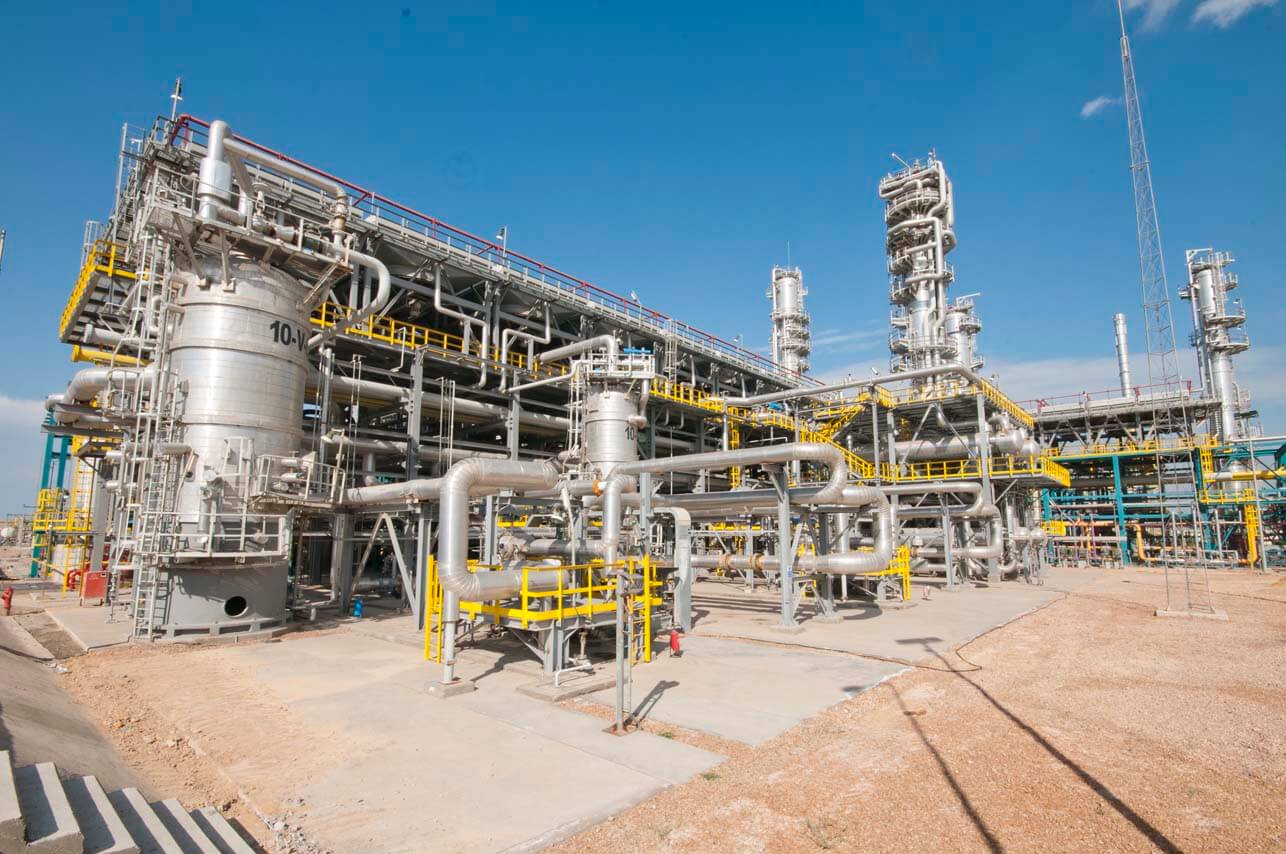
Gas from Mediterranean, Delta and Western Desert fields flows through a national transmission grid of around 37,000 km, operated by GASCO and controlled from a national dispatch centre, to power stations, industry and the distribution companies that serve more than 15 million households.
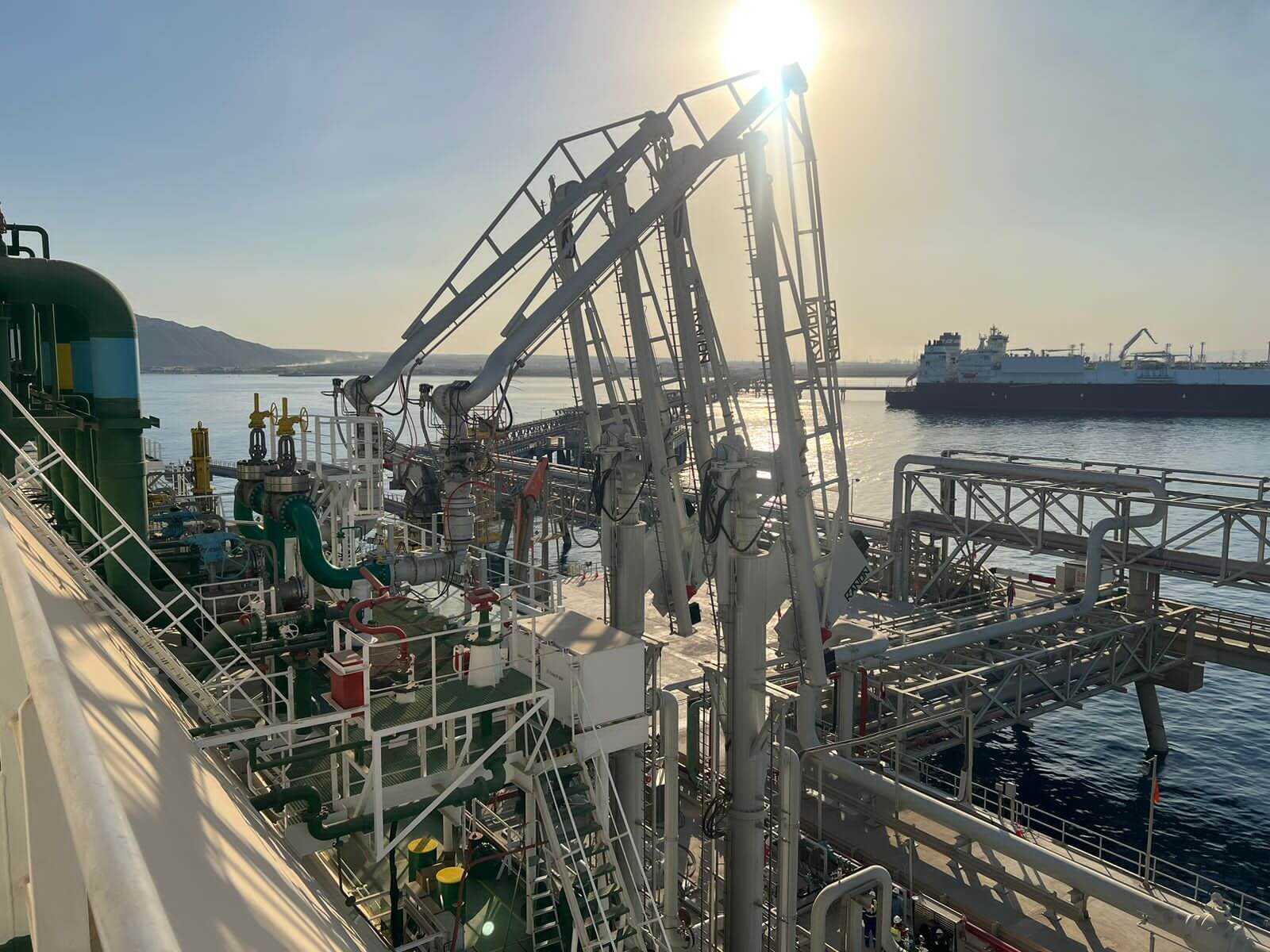
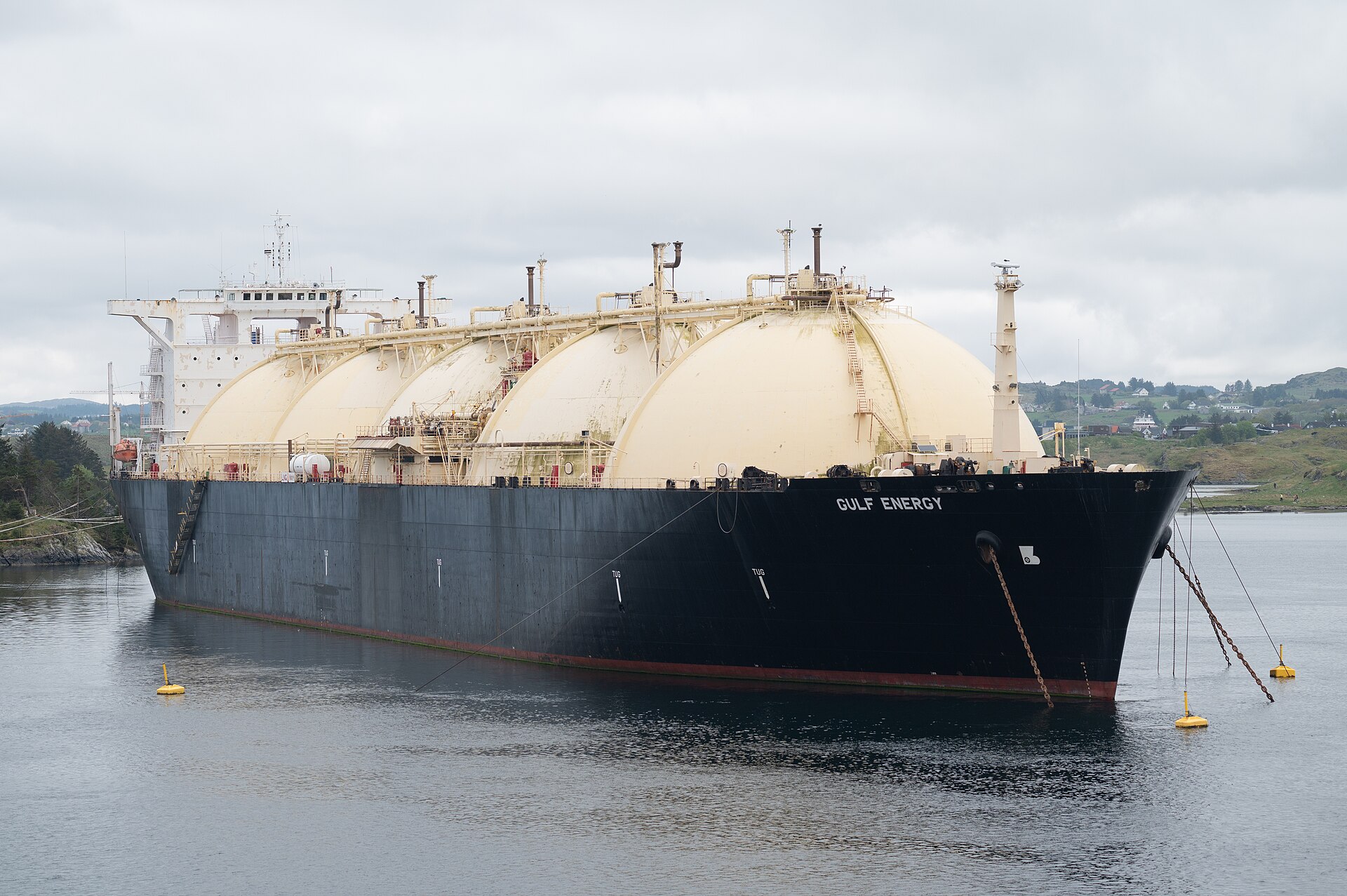
When domestic supply exceeds demand, the Idku and Damietta liquefaction complexes turn surplus gas into LNG for global markets. When demand peaks, floating regasification units and regional pipelines bring additional gas into the grid.
At a glance
0km
National gas grid
0M+
Households connected
0MTPA
LNG export capacity
0
First LNG cargoes exported
Export
Egypt hosts the only operating LNG export plants in the Eastern Mediterranean, with 12.2 MTPA of liquefaction capacity on its coast.

Import
Floating storage and regasification units (FSRUs) give Egypt the flexibility to import LNG cargoes when summer demand peaks, complementing local production while keeping the export plants ready for global markets.

Pipelines
The Arab Gas Pipeline connects Egypt with Jordan and beyond, while regional interconnections allow gas to flow in either direction according to market needs.

Regional hub
Pipeline links with neighbouring producers allow regional gas to be liquefied in Egypt and shipped to Europe — turning available capacity into regional value and supporting the work of the Cairo-based East Mediterranean Gas Forum.
Learn about opportunities across supply, liquefaction, shipping and regional interconnection.
